Char: 0
Words: 0
5000  / 5000
Char: 0
Words: 0
 
Common English to Hindi Translations
Hello.
नमस्ते।
Welcome.
स्वागत है।
Good morning.
सुप्रभात।
Nice to meet you.
आपसे मिलकर खुशी हुई।
Thank you.
धन्यवाद।
How are you?
आप कैसे हैं?
Please.
कृपया।
Excuse Me.
क्षमा करें।
Sorry.
क्षमा करें।
Yes.
हाँ।
No.
नहीं।
You’re welcome.
आपका स्वागत है।
Have a nice day.
आपका दिन मंगलमय हो।
Good morning.
सुप्रभात।
Good afternoon.
शुभ दोपहर।
Good night.
शुभ रात्रि।
Nice to meet you.
आपसे मिलकर खुशी हुई।
It’s a pleasure to meet you.
आपसे मिलकर खुशी हुई।
Have a good weekend.
आपका सप्ताहांत मंगलमय हो।
Let the good times roll.
अच्छे दिन आने दो।
See you later.
बाद में मिलते हैं।
Best Wishes.
शुभकामनाएँ।
Goodbye.
अलविदा।
Sweet dreams.
मीठे सपने।
I love you.
मैं तुमसे प्यार करता हूँ।
I love you too.
मैं भी तुमसे प्यार करता हूँ।
I love you more.
मैं तुमसे और भी ज़्यादा प्यार करता हूँ।
I'm deeply in love with you.
मैं तुमसे बहुत प्यार करता हूँ।
We love you.
हम तुमसे प्यार करते हैं।
You are beautiful.
तुम खूबसूरत हो।
I will miss you.
मुझे तुम्हारी याद आएगी।
I like you.
मैं तुम्हें पसंद करता हूँ।
I'm deeply in love with you.
मैं तुमसे बहुत प्यार करता हूँ।
Every moment with you is precious.
तुम्हारे साथ बिताया हर पल अनमोल है।
I can't imagine my life without you.
मैं तुम्हारे बिना अपने जीवन की कल्पना नहीं कर सकता।
Will you marry me?
क्या तुम मुझसे शादी करोगी?
How much does it cost?
इसकी कीमत कितनी है?
Do you have this in blue colour?
क्या आपके पास यह नीले रंग में है?
Can I try this on?
क्या मैं इसे ट्राई कर सकता हूँ?
Where is the fitting room?
फिटिंग रूम कहाँ है?
That's expensive!
यह महंगा है!
Do you have any sales or discounts?
क्या आपके पास कोई बिक्री या छूट है?
What’s the best price you can give me?
आप मुझे सबसे अच्छी कीमत क्या दे सकते हैं?
Is this the final price?
क्या यह अंतिम कीमत है?
Can I return this if it doesn't fit?
अगर यह फिट नहीं होता है तो क्या मैं इसे वापस कर सकता हूँ?
Can I pay by cash or card?
क्या मैं नकद या कार्ड से भुगतान कर सकता हूँ?
Can I get a receipt, please?
क्या मुझे रसीद मिल सकती है, कृपया?
I’d like to exchange this for a different size.
मैं इसे किसी दूसरे साइज़ के लिए एक्सचेंज करना चाहूँगा।
Where is the bus station?
बस स्टेशन कहाँ है?
When does it arrive?
यह कब आता है?
Where can I buy a ticket?
मैं टिकट कहाँ से खरीद सकता हूँ?
How much is a ticket?
टिकट कितने का है?
I would like to change my ticket.
मैं अपना टिकट बदलना चाहता हूँ।
Where is the taxi stand?
टैक्सी स्टैंड कहाँ है?
Please call a taxi for me.
कृपया मेरे लिए टैक्सी बुलाएँ।
How much will it cost?
इसका किराया कितना होगा?
Can you take me to the hotel?
क्या आप मुझे होटल तक ले जा सकते हैं?
I have a reservation for a room.
मेरे पास एक कमरे का आरक्षण है।
How much is the room?
कमरे का किराया कितना है?
My room needs to be cleaned.
मेरे कमरे की सफ़ाई की ज़रूरत है।
Where is the restaurant?
रेस्टोरेंट कहाँ है?
I would like breakfast.
मुझे नाश्ता चाहिए।
I would like lunch.
मुझे दोपहर का भोजन चाहिए।
I would like dinner.
मुझे रात का खाना चाहिए।
I would like some water.
मुझे थोड़ा पानी चाहिए।
May I see a menu?
क्या मैं मेन्यू देख सकता हूँ?
I am ready to order some food.
मैं कुछ खाने का ऑर्डर देने के लिए तैयार हूँ।
I'm allergic to peanuts.
मुझे मूंगफली से एलर्जी है।
I'm allergic to fish.
मुझे मछली से एलर्जी है।
I don't eat beef.
मैं गोमांस नहीं खाता।
I'm vegan.
मैं शाकाहारी हूँ।
I would like to pay.
मैं भुगतान करना चाहूँगा।


Watch How to Translate English to Hindi Online on Desktop

Visit our YouTube page to watch video on full screen.

Everyday English to Hindi Phrases with Explanations

  • I Love you
  • मैं तुमसे प्यार करता हूँ मैं तुमसे प्यार करती हूँ
    Note:
    करता is used by a male speaker
    करती is used by a female speaker

Usage: Casual
  • Welcome
  • स्वागतम्(Swagatam)
    A formal or ceremonial way to welcome someone; नमस्कार is more common in everyday speech

Usage: Formal
  • Hello
  • नमस्ते(Namaste)
    A respectful and widely used greeting that can be used throughout the day

Usage: General
  • How are you?
  • आप कैसे हैं? क्या हाल है?
    Note:
    आप कैसे हैं? is polite
    क्या हाल है? is casual and commonly used among friends

Usage: Polite / Casual
  • I'm fine and you?
  • मैं ठीक हूँ। और आप?(Main theek hoon. Aur aap?)
    Use आप for a polite or respectful form; तुम can be used in casual conversation

Usage: General
  • What is your name?
  • आपका नाम क्या है?(Aapka naam kya hai?)
    A polite way to ask someone their name; the casual version is तुम्हारा नाम क्या है?

Usage: Polite
  • Pleased to meet you
  • आपसे मिलकर खुशी हुई।(Aapse milkar khushi hui.)
    A polite expression commonly used when meeting someone for the first time

Usage: Polite
  • Thank you
  • धन्यवाद(Dhanyavaad)
    A standard way to say thank you; शुक्रिया is also very common in everyday speech

Usage: General
  • Excuse me / Sorry
  • माफ़ कीजिए!(Maaf kijiye!)
    A polite way to apologise or get someone's attention; माफ़ करना is more casual

Usage: Polite
  • See you!
  • फिर मिलते हैं!(Phir milte hain!)
    A common casual way to say goodbye

Usage: Casual
  • Good morning
  • शुभ प्रभात नमस्कार
    Note:
    शुभ प्रभात is formal or literary
    नमस्कार is more natural as an everyday polite greeting

Usage: Formal
  • Good afternoon
  • शुभ दोपहरनमस्कार
    Note:
    Literal: शुभ दोपहर
    Natural: नमस्कार
    Hindi does not commonly use a separate afternoon greeting; नमस्कार can be used throughout the day

Usage: General
  • Good night
  • शुभ रात्रि(Shubh raatri)
    Used when saying goodbye at night or before going to bed; गुड नाइट is also widely used in casual speech

Usage: General
  • Have a good journey
  • आपकी यात्रा मंगलमय हो।(Aapki yaatra mangalmay ho.)
    A formal or traditional way to wish someone a pleasant journey

Usage: Formal
  • How's it going?
  • कैसा चल रहा है?(Kaisa chal raha hai?)
    A casual expression used with friends or acquaintances

Usage: Casual
  • What's up?
  • क्या चल रहा है?(Kya chal raha hai?)
    A very informal expression commonly used among friends

Usage: Casual
  • Nice weather today
  • आज मौसम अच्छा है।(Aaj mausam achchha hai.)
    A natural everyday comment about the weather

Usage: Everyday
  • How was your weekend?
  • आपका सप्ताहांत कैसा रहा?(Aapka saptahaant kaisa raha?)
    A polite way to ask someone about their weekend

Usage: General
  • Any plans for the weekend?
  • सप्ताहांत के लिए कोई योजना है?(Saptahaant ke liye koi yojana hai?)
    A casual way to ask about someone's weekend plans

Usage: Casual
  • Long time no see!
  • बहुत दिनों बाद मिले!(Bahut dinon baad mile!)
    A casual expression used when meeting someone after a long time

Usage: Casual
  • Have you been here before?
  • क्या आप पहले यहाँ आए हैं?(Kya aap pehle yahaan aaye hain?)
    A polite way to ask whether someone has visited a place before

Usage: General
  • What do you do for fun?
  • आप मनोरंजन के लिए क्या करते हैं?(Aap manoranjan ke liye kya karte hain?)
    A natural way to ask about someone's hobbies or leisure activities

Usage: Casual
  • Do you come here often?
  • क्या आप यहाँ अक्सर आते हैं?(Kya aap yahaan aksar aate hain?)
    A casual question about how often someone visits a place

Usage: Casual
  • What a small world!
  • दुनिया कितनी छोटी है!(Duniya kitni chhoti hai!)
    Used when you unexpectedly discover a connection with someone

Usage: Casual
  • That's interesting
  • यह दिलचस्प है।(Yah dilchasp hai.)
    A natural everyday way to say that something is interesting

Usage: General
  • I see what you mean
  • मैं आपका मतलब समझ गया। मैं आपका मतलब समझ गई।
    Note:
    गया is used by a male speaker
    गई is used by a female speaker

Usage: Casual
  • That's cool!
  • यह बढ़िया है!(Yah badhiya hai!)
    A natural casual way to express approval or enthusiasm

Usage: Casual
  • Take care!
  • अपना ध्यान रखना!(Apna dhyaan rakhna!)
    A casual way to tell someone to take care of themselves

Usage: Casual
  • Catch you later
  • बाद में मिलते हैं।(Baad mein milte hain.)
    A casual way to say you will see someone later

Usage: Casual
  • Do you speak English?
  • क्या आप अंग्रेज़ी बोलते हैं?(Kya aap angrezi bolte hain?)
    A polite way to ask whether someone speaks English

Usage: General
  • Please speak slowly
  • कृपया धीरे बोलिए।(Kripaya dheere boliye.)
    A polite and natural way to ask someone to speak more slowly

Usage: Polite
  • Where are the restrooms?
  • शौचालय कहाँ है?(Shauchalay kahaan hai?)
    शौचालय is a standard Hindi word for restroom or toilet; English words such as bathroom and toilet are also commonly used

Usage: Everyday
  • Can I change money?
  • क्या मैं पैसे बदल सकता हूँ? क्या मैं पैसे बदल सकती हूँ?
    Note:
    सकता is used by a male speaker
    सकती is used by a female speaker

Usage: Everyday
  • How much is this?
  • यह कितने का है?(Yah kitne ka hai?)
    A common way to ask the price of something in a shop or market

Usage: Everyday
  • It's too expensive!
  • यह बहुत महँगा है!(Yah bahut mehnga hai!)
    Commonly used when bargaining in markets or shops

Usage: Casual
  • Please say it again
  • कृपया इसे फिर से कहिए।(Kripaya ise phir se kahiye.)
    A polite way to ask someone to repeat what they said

Usage: Polite
  • Left / Right / Straight
  • बाएँ / दाएँ / सीधे(Baayen / Daayen / Seedhe)
    Common words used when asking for or giving directions

Usage: Everyday
  • Today is a nice day, isn't it?
  • आज का दिन अच्छा है, है ना?(Aaj ka din achchha hai, hai na?)
    A natural way to start a conversation about the weather or day

Usage: General
  • Where are you from?
  • आप कहाँ से हैं?(Aap kahaan se hain?)
    A polite way to ask someone where they are from

Usage: Polite
  • Do you live here?
  • क्या आप यहाँ रहते हैं?(Kya aap yahaan rehte hain?)
    Note:
    रहते is used for a male or mixed-gender group
    रहती is used for a female speaker

Usage: General
  • Do you like it here?
  • क्या आपको यहाँ पसंद है?(Kya aapko yahaan pasand hai?)
    A natural way to ask whether someone likes a place

Usage: General
  • Yes, I like it here.
  • हाँ, मुझे यहाँ अच्छा लगता है।(Haan, mujhe yahaan achchha lagta hai.)
    A natural way to say that you enjoy being in a place

Usage: General
  • How long are you here for?
  • आप यहाँ कब तक रहेंगे? आप यहाँ कब तक रहेंगी?
    Note:
    रहेंगे is used for a male or mixed-gender group
    रहेंगी is used for a female speaker

Usage: Polite
  • I am here for three days / weeks.
  • मैं यहाँ तीन दिन / हफ्तों के लिए हूँ।(Main yahaan teen din / haphton ke liye hoon.)
    Replace three with the appropriate number and choose दिन or हफ्तों as needed

Usage: General
  • Where are you going?
  • आप कहाँ जा रहे हैं?(Aap kahaan ja rahe hain?)
    Note:
    रहे is used for a male or mixed-gender group
    रही is used for a female speaker

Usage: General
  • How old are you?
  • आपकी उम्र कितनी है?(Aapki umr kitni hai?)
    A natural and polite way to ask someone's age

Usage: General
  • I am 23 years old.
  • मेरी उम्र तेईस साल है।(Meri umr teis saal hai.)
    Replace तेईस with your age in Hindi

Usage: General
  • What is your occupation?
  • आपका व्यवसाय क्या है?(Aapka vyavasaay kya hai?)
    A formal way to ask about someone's occupation; the more conversational alternative is आप क्या करते हैं?

Usage: Polite
  • I am a student.
  • मैं एक छात्र हूँ। मैं एक छात्रा हूँ।
    Note:
    छात्र is used for a male student
    छात्रा is used for a female student

Usage: General
  • I am retired.
  • मैं सेवानिवृत्त हूँ।(Main sevaanivritt hoon.)
    A formal Hindi expression; रिटायर्ड हूँ is also commonly used in everyday conversation

Usage: General
  • It has been great meeting you.
  • आपसे मिलकर बहुत अच्छा लगा।(Aapse milkar bahut achchha laga.)
    A polite expression used after meeting someone

Usage: Polite
  • Keep in touch!
  • संपर्क में रहिए!(Sampark mein rahiye!)
    A polite way to ask someone to stay in contact

Usage: General
  • Where is a hotel?
  • होटल कहाँ मिलेगा?(Hotel kahaan milega?)
    A natural way to ask where you can find a hotel

Usage: Everyday
  • How much is it per night?
  • एक रात के लिए कितने का है?(Ek raat ke liye kitne ka hai?)
    A common way to ask the price of a room per night

Usage: Everyday
  • Is breakfast included?
  • क्या इसमें नाश्ता शामिल है?(Kya ismein naashta shaamil hai?)
    A common question when booking or checking into accommodation

Usage: Everyday
  • I would like to book a room, please.
  • कृपया, मुझे एक कमरा बुक करना है।(Kripaya, mujhe ek kamra book karna hai.)
    A polite way to say that you want to book a room

Usage: Polite
  • I have a reservation for 2 nights / weeks.
  • मेरे पास दो रातों / हफ्तों के लिए आरक्षण है।(Mere paas do raaton / haphton ke liye aarakshan hai.)
    आरक्षण is formal; बुकिंग is more commonly used in everyday hotel conversations

Usage: Formal
  • Do you have a double / single / family room?
  • क्या आपके पास डबल / सिंगल / पारिवारिक कमरा है?(Kya aapke paas double / single / paarivaarik kamra hai?)
    Double and single are commonly used English loanwords in Indian hotels

Usage: Everyday
  • Can I see the room?
  • क्या मैं कमरा देख सकता हूँ? क्या मैं कमरा देख सकती हूँ?
    Note:
    सकता is used by a male speaker
    सकती is used by a female speaker

Usage: General
  • Is there wireless internet access here?
  • क्या यहाँ वायरलेस इंटरनेट की सुविधा है?(Kya yahaan wireless internet ki suvidha hai?)
    Wi-Fi is also commonly used instead of वायरलेस इंटरनेट

Usage: Everyday
  • Do you arrange tours here?
  • क्या आप यहाँ टूर की व्यवस्था करते हैं?(Kya aap yahaan tour ki vyavastha karte hain?)
    टूर is commonly used in everyday Hindi; पर्यटन is more formal

Usage: General
  • Could I have my key, please?
  • क्या मुझे मेरी चाबी मिल सकती है?(Kya mujhe meri chaabi mil sakti hai?)
    A polite way to ask for your room key

Usage: Polite
  • Sorry, I lost my key!
  • माफ़ कीजिए, मैंने अपनी चाबी खो दी!(Maaf kijiye, maine apni chaabi kho di!)
    A polite way to tell hotel staff that you have lost your key

Usage: General
  • There is no hot water.
  • गर्म पानी उपलब्ध नहीं है।(Garam paani uplabdh nahin hai.)
    A polite and clear way to report that hot water is unavailable

Usage: Everyday
  • The air conditioner / heater / fan does not work.
  • एयर कंडीशनर / हीटर / पंखा काम नहीं कर रहा है।(Air conditioner / heater / pankha kaam nahin kar raha hai.)
    Used to report that the air conditioner, heater or fan is not working

Usage: Everyday
  • What time is checkout?
  • चेकआउट कितने बजे है?(Checkout kitne baje hai?)
    A common question about the hotel checkout time

Usage: Everyday
  • I am leaving now.
  • मैं अब जा रहा हूँ। मैं अब जा रही हूँ।
    Note:
    जा रहा is used by a male speaker
    जा रही is used by a female speaker

Usage: General
  • Could I have my deposit, please?
  • क्या मुझे मेरी जमा राशि वापस मिल सकती है?(Kya mujhe meri jama raashi vaapas mil sakti hai?)
    A polite way to ask for the return of a deposit

Usage: Polite
  • Can you call a taxi for me?
  • क्या आप मेरे लिए टैक्सी बुला सकते हैं?(Kya aap mere liye taxi bula sakte hain?)
    A polite way to ask hotel or accommodation staff to call a taxi

Usage: Polite
  • At the end of the day
  • दिन के अंत में(Din ke ant mein)
    Can mean literally at the end of the day or, in a business context, ultimately or when all is considered

Usage: Formal
  • Let's touch base
  • चलिए, इस बारे में बात करते हैं।(Chaliye, is baare mein baat karte hain.)
    A natural Hindi equivalent meaning to briefly check in or discuss something

Usage: Formal
  • I'll keep you in the loop
  • मैं आपको जानकारी देता रहूँगा। मैं आपको जानकारी देती रहूँगी।
    A natural professional way to say that you will keep someone updated

Usage: Formal
  • Let's circle back
  • चलिए, इस पर बाद में फिर से बात करते हैं।(Chaliye, is par baad mein phir se baat karte hain.)
    A business phrase meaning to return to a topic later

Usage: Formal
  • Moving forward
  • आगे बढ़ते हुए(Aage badhte hue)
    Used when talking about future actions or the next stage of a process

Usage: Formal
  • As per our discussion
  • हमारी चर्चा के अनुसार(Hamaari charcha ke anusaar)
    Common in formal emails and professional communication

Usage: Formal
  • Please find attached
  • कृपया संलग्न फ़ाइल देखें।(Kripaya sanlagn file dekhen.)
    Used in professional written communication when referring to an attached file

Usage: Formal
  • Looking forward to hearing from you
  • आपके उत्तर की प्रतीक्षा है।(Aapke uttar ki prateeksha hai.)
    A formal closing commonly used in professional emails and letters

Usage: Formal
  • I appreciate your time
  • मैं आपके समय की सराहना करता हूँ। मैं आपके समय की सराहना करती हूँ।
    Note:
    करता is used by a male speaker
    करती is used by a female speaker

Usage: Formal
  • Could you please clarify?
  • क्या आप कृपया स्पष्ट कर सकते हैं?(Kya aap kripaya spasht kar sakte hain?)
    A polite and formal way to ask for clarification

Usage: Formal
  • Let's schedule a meeting
  • चलिए एक बैठक तय करते हैं।(Chaliye ek baithak tay karte hain.)
    A natural professional way to suggest arranging a meeting

Usage: Formal
  • I'll get back to you on this
  • मैं इस बारे में आपको बाद में बताऊँगा। मैं इस बारे में आपको बाद में बताऊँगी।
    Note:
    बताऊँगा is used by a male speaker
    बताऊँगी is used by a female speaker

Usage: Formal
  • Can we take this offline?
  • क्या हम इस पर बाद में अलग से चर्चा कर सकते हैं?(Kya hum is par baad mein alag se charcha kar sakte hain?)
    A business phrase meaning to discuss something separately or privately outside the main meeting

Usage: Formal
  • Let's align on this
  • चलिए, इस बारे में एकमत हो जाते हैं।(Chaliye, is baare mein ekmat ho jaate hain.)
    A business phrase meaning to reach a common understanding or agreement

Usage: Formal
  • I'll follow up with you
  • मैं आपसे बाद में संपर्क करूँगा। मैं आपसे बाद में संपर्क करूँगी।
    A professional way to say that you will contact someone again later

Usage: Formal
  • That makes sense
  • यह समझ में आता है।(Yah samajh mein aata hai.)
    A common way to say that something is logical or understandable

Usage: General
  • Let's take this forward
  • चलिए इसे आगे बढ़ाते हैं।(Chaliye ise aage badhaate hain.)
    A professional phrase meaning to continue or progress with something

Usage: Formal
  • Per your request
  • आपके अनुरोध के अनुसार(Aapke anurodh ke anusaar)
    Commonly used in formal emails and written communication

Usage: Formal
  • Keep me posted
  • मुझे सूचित करते रहें।(Mujhe soochit karte rahein.)
    A professional way to ask someone to keep you updated

Usage: Formal
  • On the same page
  • एक ही समझ पर(Ek hi samajh par)
    A business idiom meaning to have the same understanding or expectations

Usage: Formal
  • First of all
  • सबसे पहले(Sabse pehle)
    Used to introduce the first point or action

Usage: General
  • For example
  • उदाहरण के लिए(Udaaharan ke liye)
    Used when giving an example

Usage: General
  • In addition
  • इसके अलावा(Iske alaava)
    Used to introduce an additional point or piece of information

Usage: General
  • In conclusion
  • निष्कर्षतः(Nishkarshatah)
    A formal expression used to introduce the concluding point or argument

Usage: Formal
  • To be honest
  • ईमानदारी से कहूँ तो(Imaandaari se kahoon to)
    Used in both formal and informal contexts before expressing an honest opinion

Usage: General
  • Sincerely
  • भवदीय(Bhavadeeya)
    A traditional formal closing used mainly in letters and official correspondence

Usage: Formal
  • Best regards
  • सादर(Saadar)
    A formal closing used in professional emails and letters; it conveys respect

Usage: Formal
  • I appreciate it
  • मैं इसकी सराहना करता हूँ। मैं इसकी सराहना करती हूँ।
    Note:
    करता is used by a male speaker
    करती is used by a female speaker

Usage: General
  • Thanks again
  • फिर से धन्यवाद(Phir se dhanyavaad)
    A common way to thank someone again

Usage: General
  • Looking forward to it
  • मैं इसका इंतज़ार कर रहा हूँ। मैं इसका इंतज़ार कर रही हूँ।
    Note:
    रहा is used by a male speaker
    रही is used by a female speaker

Usage: General
  • I'd like to follow up
  • मैं आगे इस बारे में संपर्क करना चाहूँगा। मैं आगे इस बारे में संपर्क करना चाहूँगी।
    Note:
    चाहूँगा is used by a male speaker
    चाहूँगी is used by a female speaker

Usage: Formal
  • As discussed earlier
  • जैसा कि पहले चर्चा की गई थी(Jaisa ki pehle charcha ki gayi thi)
    A formal phrase commonly used in professional emails and written communication

Usage: Formal

Key Features of Our Translation Tool

  • English sentences and phrases will be translated into Hindi meanings.

    For example, typing:
    "India is multicultural country" will be translated into "भारत बहुसांस्कृतिक देश है"
  • Use our translator tool as English to Hindi dictionary.

    For instance:
    "Cumin" meaning in Hindi will be "जीरा (Jeera)"
    "Idioms" meaning in Hindi will be "मुहावरे (Muhaavare)"
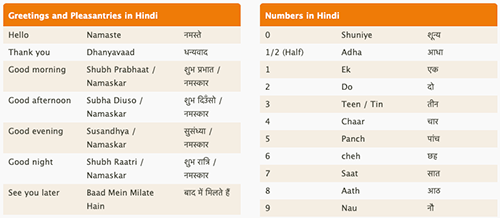
  • Real-time English speech recognition: Converts spoken words into English text.
  • Hear Hindi translations spoken aloud in natural Indian accents.
  • Click the Share button () to send your translated Hindi text via WhatsApp, Facebook, Twitter, LinkedIn, and Email.
  • Distraction-Free Mode — Click the (  ) icon below the translation toolbar to enter a full-screen English to Hindi translation experience without any ads or distractions.
  • Powered by Google and advanced AI technology.
  • Instant online translation.
  • Translate up to 5,000 characters per request.
  • Unlimited translations available.
  • Get translated text in Unicode Hindi fonts, allowing you to easily copy and paste it anywhere on the Web or into desktop applications.
  • Best of all, this translation tool is FREE!

English to Hindi Translator (FAQs)

References:

  • [1] India Census (2011) via Wikipedia. "Multilingualism in India", indicating 528 million native, ~139 million second-language, and ~24 million third-language Hindi speakers, totaling around 691 million. Retrieved from https://en.wikipedia.org/wiki/Multilingualism_in_India
  • [2] McKibben-Greene, M. G. (2020). Managing Multilingualism in India and South Africa. Senior Thesis. States: “more than 691 million total Hindi speakers, or 57.09% of the country’s total population.”
Sambhu Raj SinghSambhu Raj Singh · LinkedIn · GitHub · Npm

Last Updated On: